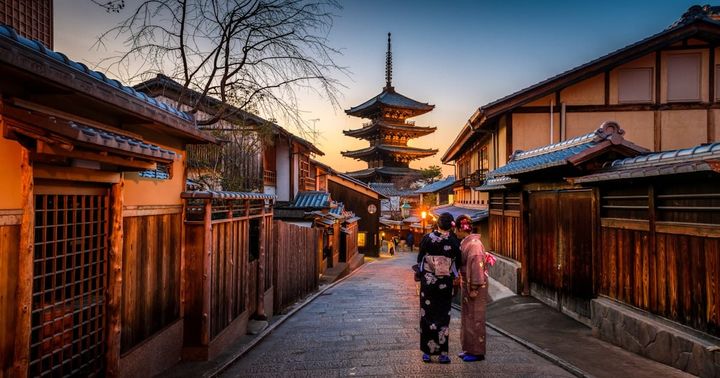
Beyond Tokyo: Hidden Japan Travel Spots That Reveal the Real Market Opportunity

Japan's tourism boom shows no signs of slowing down. In 2025, the country welcomed over 36 million international visitors — a record — and 2026 is on track to surpass that number. But as overtourism becomes a genuine concern in places like Kyoto's Fushimi Inari, Tokyo's Shibuya Crossing, and Osaka's Dotonbori, a growing number of savvy travelers are looking beyond the obvious destinations.
One YouTube video has captured this shift perfectly, racking up 1.4 million views by showcasing the Japan that most tourists never see.
10 Hidden Gems That 1.4 Million People Want to Visit
Source: "10 Unique Japan Travel Spots - Hidden Gems & Off-The-Beaten-Track Locations" — Currently Hannah (1.4M views, 571K subscribers)
Hannah's video resonates because it addresses a real frustration among Japan travelers: the feeling that everyone is visiting the same five places, taking the same photos, and having the same experience. Her off-the-beaten-path recommendations reveal a Japan that's quieter, more authentic, and often more memorable than the tourist highlights.
But this video isn't just a travel guide. For anyone interested in Japan's economy, consumer culture, and business landscape, it reveals patterns that matter far beyond tourism.
Why Hidden Gems Matter for Understanding Japan
The places tourists don't visit are often the places where "real Japan" lives. And understanding real Japan — not the tourist version — is essential for anyone doing business in or with the country.
Regional Japan Is a Different Market
Most foreigners' mental image of Japan is Tokyo. Maybe Osaka. Perhaps Kyoto if they're culturally inclined. But Japan's 47 prefectures represent remarkably diverse local economies, consumer preferences, and cultural identities.
- Tohoku (northern Honshu): Known for traditional craftsmanship, hot springs, and agricultural products. Consumer spending patterns differ significantly from Tokyo — brand consciousness is lower, but quality consciousness is equally high.
- Shikoku: Japan's smallest main island is home to the 88-temple pilgrimage route and some of the country's most distinctive regional food cultures. E-commerce penetration has been growing rapidly as younger residents seek products unavailable in local shops.
- Kyushu: Often called "Japan's gateway to Asia," Kyushu has a more relaxed culture than the Kanto region. Fukuoka has emerged as a startup hub, and the region's proximity to South Korea and China creates unique cross-border commerce opportunities.
- San'in coast (Japan Sea side): Consistently ranks among the least-visited regions by foreign tourists, yet contains some of Japan's most important historical sites and produces premium agricultural products (Matsuba crab, Shimane wagyu) that command top prices domestically.
For businesses selling into Japan, understanding regional differences isn't optional — it's the difference between a marketing campaign that resonates and one that falls flat. A product pitch that works in Tokyo might mean nothing in Hokkaido.
The "Inaka" Economy
Japan's rural areas (田舎/inaka) are experiencing a fascinating economic transformation. As Japan's population ages and younger people concentrate in cities, rural communities are simultaneously shrinking and becoming more connected to global commerce through the internet.
What this means for cross-border sellers:
- E-commerce reaches everywhere: Amazon Japan, Rakuten, and Yahoo! Shopping deliver to every address in Japan. A farmer in rural Niigata has the same access to international products as a banker in Minato-ku.
- Higher disposable income than expected: Cost of living in rural Japan is dramatically lower than Tokyo. A household earning ¥5 million in rural Kagoshima may have more disposable income than one earning ¥8 million in central Tokyo.
- Underserved by physical retail: As local shops close in depopulating areas, residents increasingly rely on online shopping for products they can't find locally — including imported goods.
Japan's Tourism Infrastructure Reveals Business Opportunity
The hidden gems showcased in Hannah's video also highlight something important about Japan's infrastructure: the country is remarkably well-connected and well-serviced, even in remote areas.
Transportation
Japan's rail network covers virtually the entire country. The shinkansen (bullet train) system, local rail lines, and bus networks mean that even "hidden" locations are typically accessible within a few hours from major cities. This transportation infrastructure also supports logistics and delivery — a critical consideration for e-commerce businesses serving the Japanese market.
Japan Post, Yamato Transport (Kuroneko), and Sagawa Express provide reliable delivery to every address in the country, usually within 1-2 days from major distribution centers. This logistics infrastructure makes Japan one of the most efficient e-commerce delivery markets in the world.
Digital Connectivity
Japan's mobile internet coverage extends to virtually 100% of the populated country. Even in the remote mountain villages and coastal towns featured in travel videos, residents have high-speed internet access. This connectivity means:
- Online shopping is available everywhere
- Product research and price comparison happen constantly
- Social media influence on purchasing decisions is nationwide, not just urban
- Review culture (口コミ) shapes buying decisions even in small towns
What Travelers Spend — And What It Tells Us
Tourism spending in Japan hit ¥7.95 trillion in 2025. But the spending patterns reveal something interesting about international appetite for Japanese products and experiences:
- Shopping accounts for approximately 25-30% of tourist spending — higher than most other tourism markets. Tourists come to Japan to buy things, not just see things.
- Average spend per tourist has increased even as the yen weakened — suggesting that demand for Japanese products is price-inelastic for many categories.
- Repeat visitors spend more than first-timers — and they seek out more specialized, less touristy shopping experiences. This aligns with the "hidden gems" trend: experienced Japan travelers want authentic local products, not duty-free souvenirs.
This spending data reinforces the cross-border e-commerce opportunity. Tourists who discover Japanese products during their trips become potential cross-border customers when they return home. The "hidden gems" approach to travel creates deeper connections with Japanese culture and products — connections that translate into longer-term purchasing relationships.
Beyond Tourism: Building Lasting Connections with Japan
Videos like Hannah's serve an important function beyond travel planning. They humanize Japan for international audiences. They show a country of quiet fishing villages, mountain temples, and local craft traditions — not just the neon-lit stereotypes. This deeper understanding of Japan creates better business partners, more informed consumers, and more successful market entry strategies.
For companies considering Japan market entry, we always recommend spending time in Japan beyond Tokyo. Visit the factory towns where your potential suppliers operate. Walk through the shopping streets where your target consumers browse. Eat at the local restaurants where business relationships are built over shared meals and too many beers.
The hidden gems aren't just travel destinations. They're a window into the real Japan — the one that makes this market so uniquely rewarding for businesses that take the time to understand it.
If you're exploring business opportunities in Japan and need guidance on tax compliance, customs procedures, or market entry strategy, visit OPTI's ACP Service Page to learn about our JCT and ACP compliance services.